Is Today International Women's Day? Unveiling a Global Legacy
While every day offers an opportunity to champion the incredible contributions of women worldwide, International Women's Day (IWD) is officially observed annually on March 8th. This dedicated day serves as a powerful global focal point, celebrating the social, economic, cultural, and political achievements of women, while simultaneously acting as a crucial call to action for accelerating gender parity. If you're wondering about its origins and enduring significance, prepare to delve into a rich, dynamic history forged in protest and propelled by an unyielding spirit of equality.
The Roots of a Global Movement: From Workers' Rights to International Solidarity
The genesis of International Women's Day isn't found in a single moment but rather in a series of powerful grassroots movements advocating for women's fundamental rights. Its earliest sparks ignited in the United States, propelled by the American Socialist Party.
On February 28, 1908, a pivotal moment occurred in New York City. Approximately 15,000 women, predominantly garment workers, marched through the streets. Their demands were clear and urgent: shorter work hours, better pay, and the right to vote (suffrage). This impactful demonstration highlighted the dire working conditions and lack of basic dignities faced by women. Famed author and activist Charlotte Perkins Gilman, an attendee, eloquently articulated the broader vision, stating that a woman's duty extended beyond the home to encompass "the whole country."
Inspired by these burgeoning calls for change, the idea for a "Women's Day" began to take shape. In 1910, at the second International Conference of Socialist Women in Copenhagen, a German feminist named Clara Zetkin proposed the concept of an international day dedicated to women. Her vision was a global commemoration, a united front for women's suffrage and workers' rights worldwide. The proposal received unanimous support, laying the groundwork for what would become a global movement. The following year, in 1911, events celebrating the newly established International Women's Day spread across Europe, marking a significant step towards international solidarity for women's rights. To understand more about how this specific date came to be, you can explore Why March 8th? Unpacking International Women's Day's True Origins.
A Date Forged in Protest: March 8th and Global Recognition
The evolution of International Women's Day from a concept to a fixed annual observance on March 8th is a testament to the power of collective action, particularly during times of global upheaval. During World War I (1914-1918), women across Europe utilized International Women's Day as a platform to protest the devastating armed conflict, demonstrating their agency and political voice amidst widespread suffering.
The pivotal event that cemented March 8th as the official date took place in Russia in 1917. On February 23rd (according to the Julian calendar then in use in Russia, which translates to March 8th on the Gregorian calendar), women textile workers in Petrograd initiated a massive protest demanding "Bread and Peace." This powerful demonstration, fueled by war-time food shortages and a desire for an end to the conflict, quickly escalated into a city-wide strike, laying the groundwork for the Russian Revolution. This historic act of defiance by women workers ultimately led to the abdication of the Tsar and Russia's eventual withdrawal from the war, solidifying the day's association with revolutionary change and women's political power.
Decades later, the United Nations formally recognized the significance of this day. In 1975, designated as "International Women's Year," the UN began commemorating International Women's Day. Two years later, in 1977, the UN General Assembly officially recognized March 8th as International Women's Day, inviting member states to proclaim it as an annual day for women's rights and international peace. This official endorsement elevated IWD to a universally recognized event, underscoring its importance on the global stage.
More Than a Celebration: IWD as a Catalyst for Change
International Women's Day is a multifaceted observance, serving both as a joyous celebration of progress and a pressing call to action for unresolved issues. It's a day when the world collectively pauses to acknowledge the remarkable strides women have made in various fields while simultaneously confronting the systemic inequalities that persist.
- Celebrating Achievements: IWD is a time to honor the economic, social, cultural, and political accomplishments of women – from groundbreaking scientific discoveries to leadership in business, advocacy for human rights, and artistic expression. It's about recognizing the resilience, ingenuity, and impact of women throughout history and in contemporary society.
- Demanding Action: Crucially, IWD remains deeply rooted in advocacy. Around the world, it galvanizes women and allies to demand fundamental rights and address pressing issues. These demands frequently include:
- Equal Pay and Economic Justice: Bridging the gender pay gap and ensuring equitable opportunities in the workplace.
- Reproductive Rights and Healthcare Access: Advocating for bodily autonomy and comprehensive health services.
- Education for Girls and Women: Ensuring universal access to quality education, a fundamental building block for empowerment.
- Justice for Victims of Gender-Based Violence: Ending all forms of violence against women and holding perpetrators accountable.
- Representation in Decision-Making Roles: Pushing for greater female leadership in politics, business, and all spheres of influence.
- Challenging Discrimination: Actively working to dismantle prejudiced attitudes and practices in all their forms.
The forms of observance on IWD are as diverse as the women it honors. They range from combative protests and impactful demonstrations in major cities, highlighting urgent political and social issues, to inspiring charity runs, educational seminars, and cultural festivals that showcase women's contributions and foster community. Despite their varied expressions, these events share a common thread: a renewed commitment to advancing gender equality. For a deeper dive into the ongoing global efforts and calls to action, explore International Women's Day: Global Call for Equality & Action.
Diverse Observances Across Continents
The way International Women's Day is celebrated and recognized varies significantly across the globe, reflecting different cultural contexts and political landscapes:
- Official Public Holiday: In over 20 countries, IWD is an official public holiday, including nations like Afghanistan, Burkina Faso, Ukraine, Russia, and Cuba (the only one in the Americas). In these places, it's often a day for family gatherings, reflection, and appreciation, sometimes accompanied by official events and recognition of women's contributions.
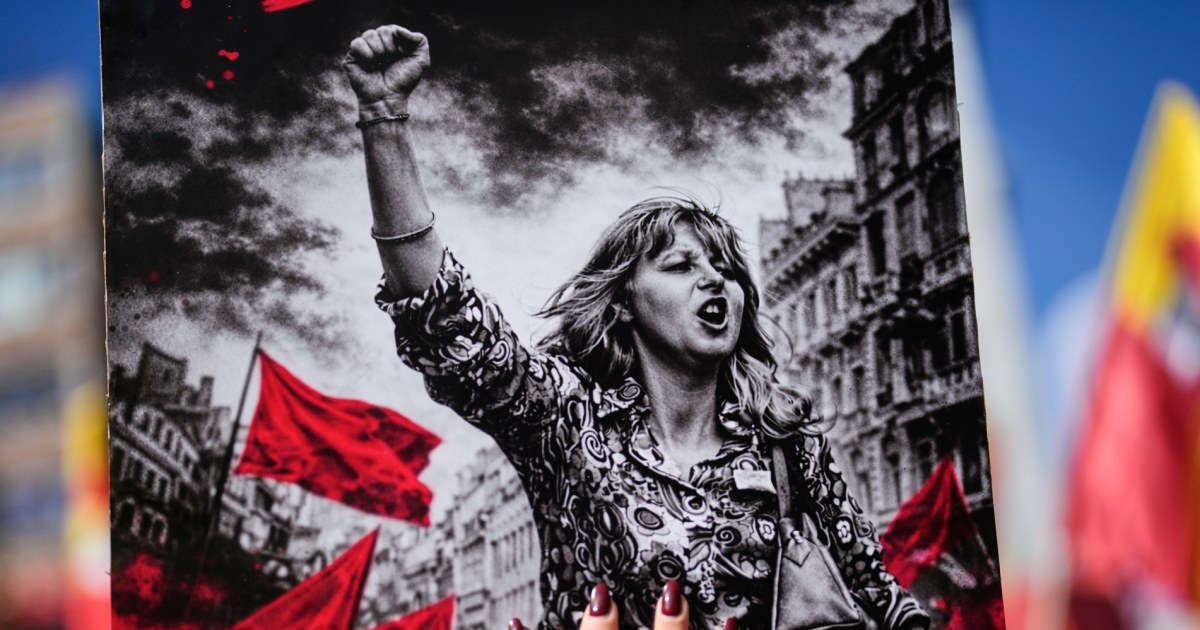
- Protests and Advocacy: In many regions, IWD is marked by strong protests and rallies addressing specific local issues. For instance, in Istanbul, Turkey, women's rights activists often shout slogans demanding justice. In Berlin, thousands might march against violence against women and gender discrimination. Brazil often sees marches against gender-based violence, fueled by specific cases that outrage the nation.
- Cultural Celebrations: In countries like China and Russia, it's common for vendors to sell flowers wrapped in pink, a gesture of appreciation for women. In Phnom Penh, Cambodia, local workers might lift fists and umbrellas in celebration, a blend of cultural festivity and symbolic protest.
- Women's History Month: In the United States, while IWD is acknowledged, March is more broadly celebrated as Women's History Month, offering an extended period to reflect on and educate about the historical achievements of women.
These diverse observances underscore the dynamic nature of IWD, adapting to local needs while upholding its universal message of equality and empowerment.
The Enduring Spirit of International Women's Day: What Lies Ahead
As International Women's Day approaches its 115th year, its relevance remains undiminished. While significant progress has been made since those initial marches for workers' rights and suffrage, the journey towards true gender equality is far from over. Each year, IWD adopts a new theme, focusing global attention on specific challenges and opportunities. Recent themes, such as "Give to Gain," emphasize not only fundraising for women-focused organizations but also less tangible yet equally crucial forms of giving, like mentoring peers, actively celebrating women's achievements, and courageously challenging discrimination in all its forms.
The spirit of IWD reminds us that the fight for women's rights is a continuous endeavor, requiring sustained effort from individuals, communities, and governments alike. It's a day to reflect on the past, celebrate the present, and strategically plan for a more equitable future.
How You Can Contribute to the Spirit of International Women's Day Year-Round:
- Educate Yourself and Others: Learn about women's history, current challenges, and the inspiring figures leading the charge for change. Share this knowledge.
- Advocate for Policies: Support policies and legislation that promote gender equality, equal pay, reproductive rights, and protections against gender-based violence.
- Support Women-Led Initiatives: Patronize businesses owned by women, donate to organizations that empower women, or volunteer your time for causes that champion their rights.
- Challenge Bias and Discrimination: Speak up against sexist jokes, discriminatory practices, and stereotypical language wherever you encounter it, in personal and professional settings.
- Mentor and Inspire: If you're in a position to do so, mentor young women and girls, helping them navigate challenges and achieve their full potential.
- Celebrate Women: Acknowledge and uplift the women in your life – their achievements, their resilience, and their contributions to your community and the world.
International Women's Day, celebrated annually on March 8th, is far more than just a date on the calendar. It's a powerful echo of history's struggles and triumphs, a vibrant celebration of women's indomitable spirit, and a persistent, global call to action. From its origins in the demands of garment workers to its official recognition by the United Nations, IWD encapsulates a century of progress and highlights the vital work that still needs to be done. It serves as a reminder that achieving gender equality is not just a woman's issue; it's a human issue, essential for the health, prosperity, and peace of societies worldwide. By understanding its rich history and embracing its ongoing mission, we can all contribute to a more equitable and inclusive future, not just on March 8th, but every single day.